
OUR STORY
Every child deserves a healthy, supported start, but for too many families, access to basic needs like diapers and period products is out of reach.
Helping Mamas elevates the well-being and dignity of women by providing diapers, period products, and other essential baby supplies. We harness the power of community support so that all families can thrive.

How We Work
01.
We Collect and Purchase Supplies
Helping Mamas gathers new and gently used baby items for children from birth through age 12, including diapers, wipes, car seats, and cribs. We also collect and distribute menstrual products to support dignity for individuals experiencing period poverty. Through partnerships like the National Diaper Bank Network, we purchase high-need items in bulk to stretch every dollar and serve more families.
02.
We Work Through Trusted Partners
We collaborate with more than 180 nonprofits, hospitals, government agencies, and community organizations across Georgia and East Tennessee. Partners either place bulk orders or select specific supplies based on their clients' needs. These organizations serve families facing homelessness, domestic violence, foster care, food insecurity, addiction recovery, refugee resettlement, and more.
03.
We Deliver Directly to Communities
Helping Mamas ensures families can access essential items where they already live, learn, and receive care. Through our library distribution program, TANF program diaper deliveries, district health offices, and participation in partner and community events, we bring critical resources directly into neighborhoods. By meeting families where they are, we remove barriers to access and make sure every parent has the support they need.


ISSUES WE ADDRESS:
Families don’t experience challenges one at a time—and neither do we.
Helping Mamas addresses the interconnected issues that affect family stability, health, and dignity.

Diaper Need
1 in 2 families struggle to afford enough diapers to keep their babies clean, dry, and healthy.
Without enough diapers, children can’t attend daycare, and parents may miss work, risking income and stability. Diapers aren’t covered by public assistance programs, creating a gap that pushes families deeper into financial hardship.

Period Poverty
Nearly 1 in 4 women struggle to afford menstrual products
This leads to missed work, missed school, and daily challenges that affect health and dignity. These essential items are not covered by public programs, and stigma only makes the problem worse.
.jpg)
Maternal Health
1 in 5 mothers experiences postpartum depression or anxiety.
When families lack basic essentials like diapers, hygiene products, or safe sleep spaces, the stress of early parenting intensifies. For low-income mothers, unmet basic needs can worsen mental health challenges and make recovery after birth even harder.

Health & Hygiene
66% of low-income families have skipped hygiene products to afford food or rent.
Items like soap, shampoo, diapers, wipes, and period products are essential to health—but they’re not covered by public assistance programs. Without access, families face increased illness, missed school or work, and loss of dignity.

Food Insecurity
1 in 6 children in Georgia lives in a food-insecure household.
Families facing food insecurity often lack other basic necessities as well. When limited income is stretched between food and essential non-food items, families are forced into impossible trade-offs that affect health, stability, and child development.
.png)
Safe Sleep & Ride
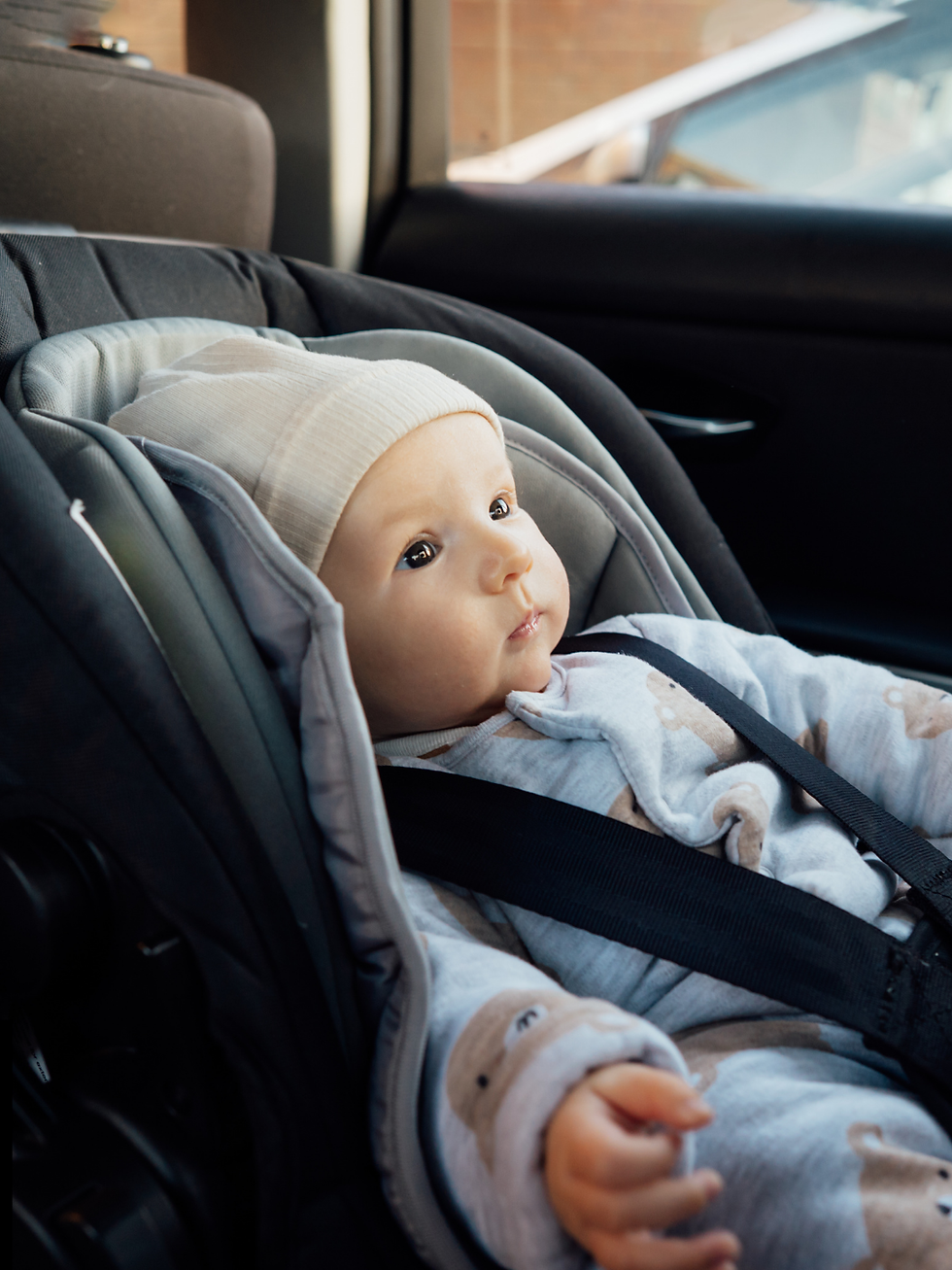
Unsafe sleep and motor vehicle injuries remain leading causes of preventable infant death.
Without access to car seats and safe sleep spaces, infants face serious safety risks—and families may be unable to meet hospital or childcare requirements. Providing these essentials helps protect babies during their most vulnerable months.
